
Plane vs helicopter safety comparison is a topic that often sparks debate, especially after high-profile aviation accidents make headlines. While both aircraft types rely on advanced engineering and strict safety regulations, they operate very differently and face unique risks.
Understanding how planes and helicopters fly, where they are commonly used, and what typically causes accidents can help clarify which one carries greater danger in real-world conditions.
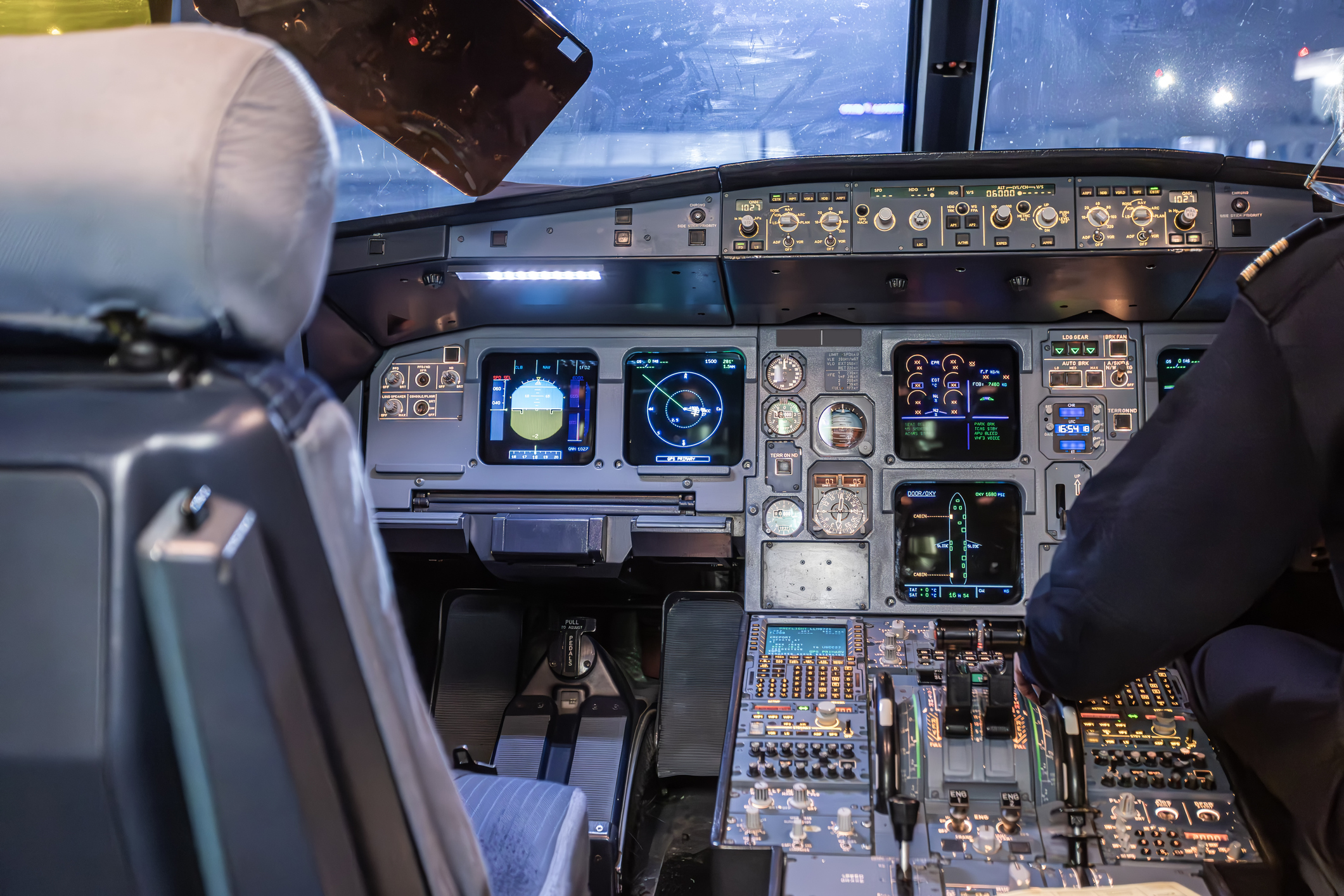
How Aeroplanes and Helicopters Differ in Flight Design
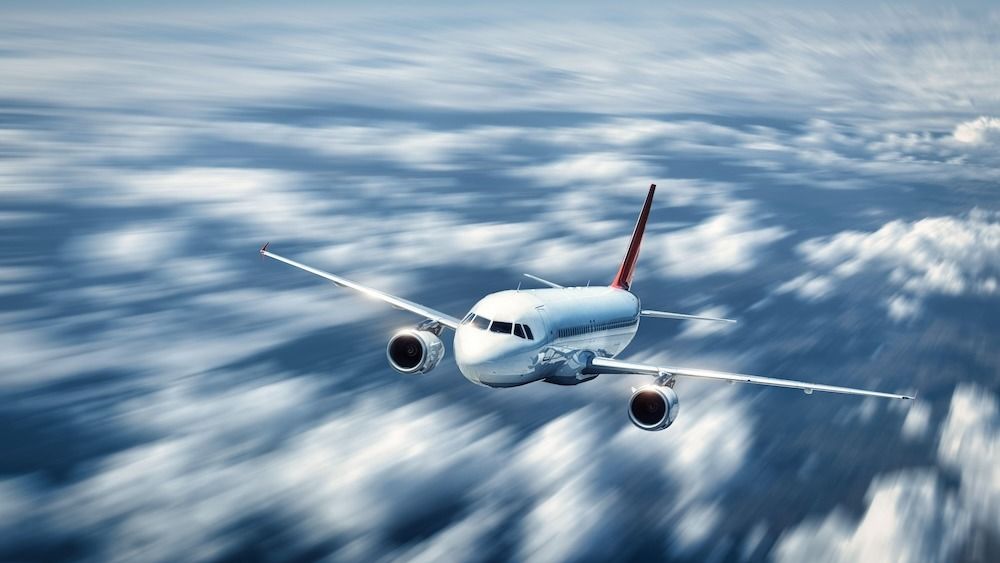
Aeroplanes rely on fixed wings to generate lift as they move forward at high speed. This design makes them extremely efficient and stable during cruise, especially at high altitudes. Commercial planes are built for long-distance travel and operate under tightly controlled airspace systems.
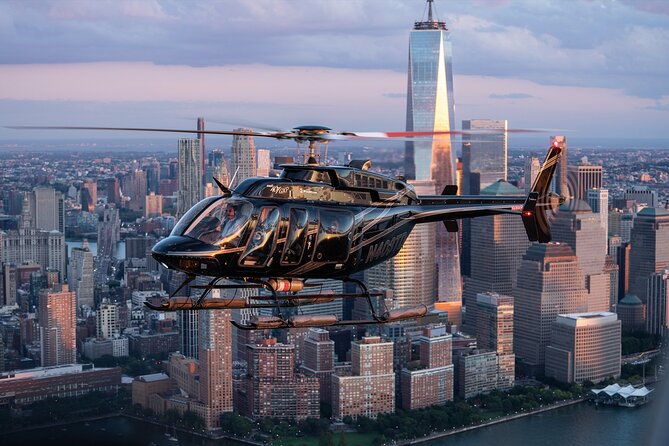
Helicopters, by contrast, use spinning rotors to generate lift. This allows them to hover, fly vertically, and operate in confined spaces. These abilities make helicopters invaluable for rescue missions, medical transport, and military operations, but they also introduce mechanical and operational complexity.
Accident Frequency: What the Data Suggests
In a plane vs helicopter safety comparison, helicopters are statistically involved in accidents more frequently than commercial aeroplanes. This is largely due to how and where helicopters operate rather than poor design.
Helicopters often fly at low altitudes, close to terrain, buildings, and power lines. They also operate in unpredictable environments such as offshore platforms, mountains, and urban areas. Planes typically fly high above obstacles with constant air traffic monitoring.
Crash Severity and Survival Chances
While aeroplane crashes are rare, they tend to involve higher speeds and altitudes, which can reduce survival rates. However, modern commercial aircraft are designed with multiple redundancies, advanced warning systems, and highly trained crews.
Helicopter crashes occur more often but at lower speeds and altitudes. In some cases, this increases survivability, especially during controlled emergency landings. That said, rotor system failures can be catastrophic and difficult to recover from.
Mechanical Complexity and Failure Risks
Helicopters have more moving parts than aeroplanes, particularly in the rotor assembly and transmission system. This mechanical complexity increases maintenance demands and potential failure points.
Aeroplanes also have complex systems, but they benefit from decades of refinement, standardised designs, and extensive redundancy, especially in commercial aviation.
Weather Sensitivity and Pilot Workload
Helicopters are more sensitive to wind gusts, turbulence, and poor visibility. Pilots must constantly manage rotor behavior, making helicopter flying more physically and mentally demanding.
Aeroplanes handle adverse weather better at cruising altitude and rely heavily on autopilot systems and ground-based navigation support, reducing pilot workload during most phases of flight.
| Factor | Aeroplanes | Helicopters |
|---|---|---|
| Accident Frequency | Very low (commercial) | Higher |
| Typical Altitude | High | Low |
| Mechanical Complexity | Moderate | Very high |
| Survivability | High prevention, low crash survival | Lower prevention, higher crash survival |
Plane vs Helicopter Safety Comparison: Which One Is More Dangerous?
From a purely statistical standpoint, helicopters are involved in accidents more often than commercial aeroplanes. However, aeroplane crashes tend to be more severe when they do occur.
For everyday travellers, commercial aeroplanes remain one of the safest modes of transportation ever created. Helicopters carrya higher operational risk, but they are often used in situations where fixed-wing aircraft simply cannot operate.
FAQs
Q. Are helicopters more dangerous than aeroplanes?
A. Helicopters experience accidents more frequently, but this is largely due to their operating environments and mission profiles.
Q. Why do plane crashes get more attention?
A. Plane crashes are rare but often involve many passengers, making them more newsworthy.
Q. Which aircraft has better safety technology?
A. Commercial airplanes generally have more advanced redundancy and automated safety systems.
Q. Are helicopter crashes more survivable?
A. In some cases, yes, because helicopters fly at lower speeds and altitudes.
Q. Should passengers be worried about helicopter travel?
A. Helicopters are safe when properly maintained and operated, but they carry higher inherent risk than commercial flights.